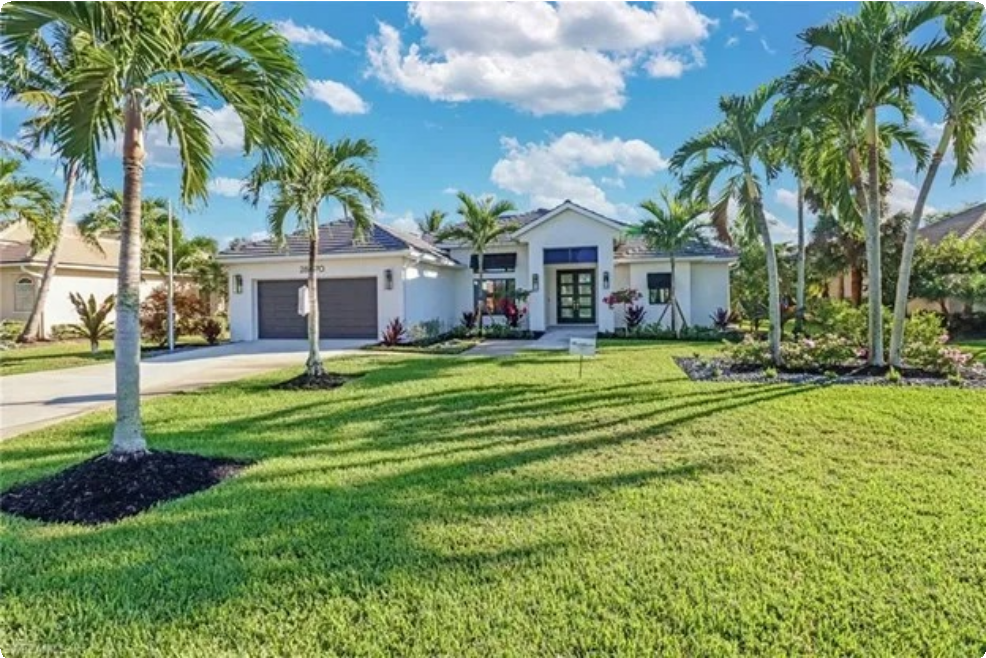
In Southwest Florida, the weeks before winter visitors arrive can shape your rental income for months. But snowbird demand does not guarantee an occupied property, especially in a market where renters have more choices and landlords are competing on both price and presentation.
Recent local reporting puts apartment vacancy at 19.3% in Fort Myers and 16.4% in Naples. Florida Gulf Coast University’s regional research also reported that real median rents in Lee County were down 9% year over year in Q4 2025. These figures use different market areas and measures, but the direction is clear: owners need a timely, well-planned leasing strategy. (WINK News; FGCU’s 2026 first-quarter report)
For property owners, that means acting now, not waiting for peak season to solve a vacancy. Kim Reed, Broker Owner, works alongside Alexa Barrientos, Realtor and Property Manager, and Yanelys C, Realtor and Property Manager, to help owners align pricing, marketing, screening, and property readiness with local conditions.
Start With the Market You Actually Compete In
“Southwest Florida rentals” is not one uniform market. A furnished seasonal condo in Naples competes with different properties than an unfurnished annual rental in Fort Myers. Even nearby homes can attract different renters based on location, amenities, lease terms, and condition.
Before advertising, identify your property’s most likely renter and the lease you can legally and practically offer:
- Annual or long-term residents seeking stable housing and predictable monthly costs.
- Seasonal renters seeking furnished accommodations for a defined winter stay.
- Temporary or relocating residents who may need a shorter term while they settle in the area.
Then check your condominium documents, HOA or community rules, insurance requirements, and applicable regulations before offering seasonal or short-term terms. Confirm permitted lease lengths and occupancy rules in writing. These checks can prevent a promising booking from turning into a compliance or contract problem.
Step 1: Price for Today’s Conditions, and the Lease Term
The most common pricing mistake is setting rent based on last year’s peak, a neighbor’s asking price, or a seasonal rate that does not match the lease being offered. A listing price is not the same as achieved rent. Concessions, utilities, furnishings, and vacancy days all affect what you actually collect.
Use rental pricing optimization to set a defensible asking price:
- Compare recently rented properties with similar location, size, condition, furnishings, and lease term.
- Review active competing listings and note incentives such as reduced deposits or free rent.
- Calculate effective income after any concession. A free month, for example, reduces the rent collected over the lease term even if the advertised monthly rate stays unchanged. Not sure where your asking price should land? A free rental analysis gives you a data-backed starting point.
- Set a review date. If qualified inquiries and showings are weak after the first week or two, reassess price, presentation, and terms rather than letting the listing go stale.
Treat a seasonal lease and an annual lease as separate pricing decisions. A winter monthly rate may be attractive for a furnished unit, but only if the dates, expenses, turnover, and legal terms make financial sense. Do not assume snowbird demand will support a premium on an annual lease.
Step 2: Market Before Renters Make Their Winter Plans
Snowbird season generally spans the winter months, with many visitors planning stays well before arrival. On November 2, the window to prepare and publish a strong listing is already open.
Get the listing ready as soon as you have a reliable availability date. Include:
- Clear, accurate photos of the property, not just the neighborhood.
- A complete description of the features renters value, such as parking, laundry, outdoor space, accessibility, and included utilities.
- The exact lease term, availability date, rent, fees, and application process.
- A quick way to request a showing or ask a question.
Distribute the listing across relevant rental platforms and respond promptly to inquiries. Reed Property Management’s rental marketing services use professional photography, market analysis, and multi-platform exposure to help listings reach prospective renters. Good marketing does not replace competitive pricing, but it helps qualified prospects understand the value of your property.

Step 3: Respond Quickly Without Cutting Corners on Screening
In a competitive market, slow follow-up can cost you a qualified applicant. Set aside time to respond to inquiries, arrange showings, and explain the application steps. If a renter is planning a winter arrival, delays can lead them to choose another property.
Move efficiently, but do not let urgency replace due diligence. Apply the same written criteria consistently to every applicant, and complete appropriate verification before approving a lease. Depending on your established process, screening may include:
- Credit and income review.
- Employment verification.
- Rental and landlord references.
- Eviction history and criminal background review, where permitted.
- Confirmation that the applicant understands the lease term and property rules.
Document decisions and keep applicant information secure. Avoid making exceptions based on assumptions or personal characteristics; follow fair housing requirements and consult a qualified professional if you have questions. Reed’s tenant screening process is designed to help owners assess applicants thoroughly rather than simply choose the first person ready to apply.
Step 4: Make the Property Move-In Ready Before the Showing
A strong listing can earn the showing. A clean, functional property helps convert that showing into a lease, and reduces the risk of avoidable complaints after move-in.
Complete a property walk-through before the first tour. Test appliances, plumbing, lighting, locks, smoke alarms, and HVAC. Address visible wear, clean thoroughly, and make sure the exterior and entry are presentable. For furnished seasonal rentals, inventory the furnishings and confirm that advertised items are present and in working order.
Create a written make-ready checklist and retain photos or invoices for completed work. Documenting condition supports clear communication and helps protect your asset if questions arise later. If repairs require vendors, schedule them early; delays can push your available date past a renter’s planned move-in.
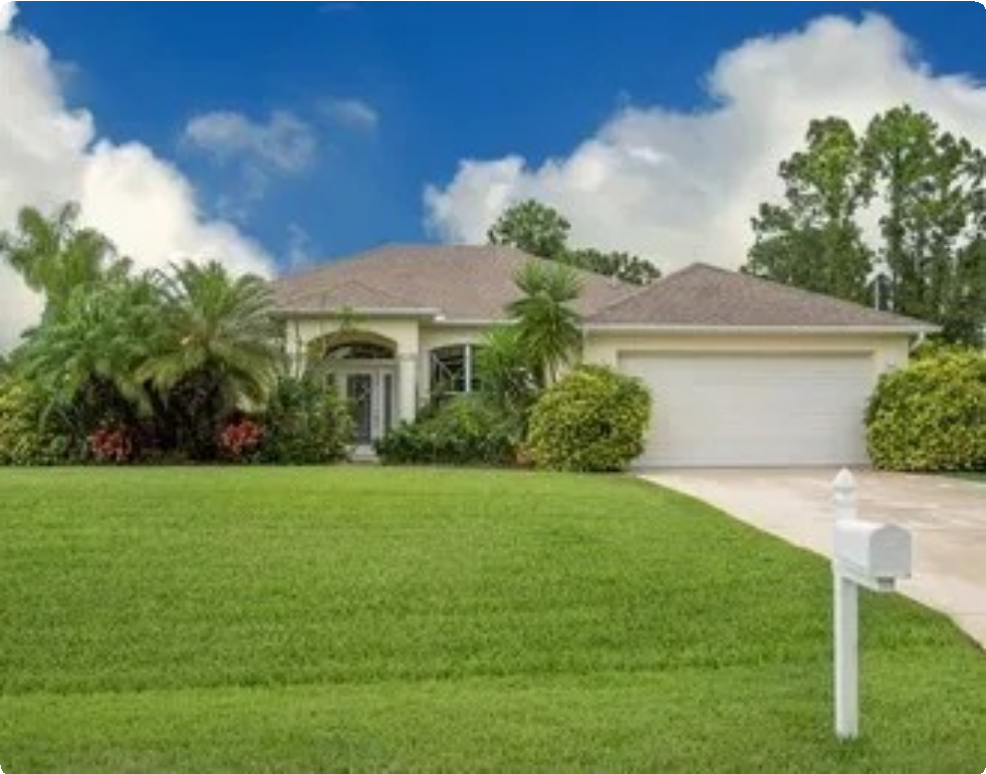
Step 5: Put the Agreement and Move-In Details in Writing
A verbal understanding is not a substitute for a complete lease. Before accepting funds or handing over keys, confirm the lease term, rent and due dates, deposits, utilities, maintenance responsibilities, occupancy rules, and any furnishings or services included. For seasonal rentals, make the arrival and departure dates explicit and document any special conditions.
Use a legally reviewed lease appropriate to the rental arrangement. Keep signed documents, inspection records, required disclosures, payment records, and written communications together. Clear documentation reduces misunderstandings and supports consistent management if a dispute arises. When lease terms or local requirements are unclear, seek legal advice rather than relying on a generic form.
Use Local Expertise to Protect Your Net Income
The current apartment vacancy numbers are a warning, not a prediction for every home. Property type, neighborhood, condition, and lease structure all matter. Gulfshore Business reported that a wave of new apartment construction contributed to elevated regional vacancies, while WINK News noted that Fort Myers landlords are using incentives as competition increases. Your strategy should reflect the properties renters are comparing with yours, not just a countywide average. (Gulfshore Business)
For owners seeking Naples property management, Fort Myers property management, or rental property management Southwest Florida, a local team can help evaluate comparable rentals, position a listing, coordinate showings, screen applicants, and oversee move-in preparation. Reed Property Management focuses on protecting investments and reducing the day-to-day burden so your rental can work toward passive income rental property goals without leaving important details unmanaged.
Not sure how your rent stacks up? Request a free rental analysis and see where your property stands against the current market before the season arrives. Start with a review of your rent, lease terms, marketing, and make-ready timeline, then contact Reed Property Management at 239-351-2880 or kim@reedpropertymgmt.com to discuss your property and the next steps. Learn more about owner services, Naples property management, and Fort Myers property management.